
Stay Active, Stay Warm: Smart Fitness and Breathing Tips for Winter Wellness

]In this article, we will learn about Tips for Winter Wellness: As the new year begins, millions of people commit to improving their health. Studies show that nearly one-third of Americans set New Year’s resolutions, most commonly focused on fitness, nutrition, and weight loss. Unfortunately, fewer than 10% manage to stay consistent throughout the year, with many giving up within the first few weeks.
Health experts believe the reason is simple: people often chase quick results instead of sustainable habits. Rather than extreme diets or short-term fitness plans, doctors now emphasize science-backed lifestyle choices that support long-term wellness, healthy aging, and mental resilience.
According to longevity and brain-health specialists Dr. Shai Efrati and Dr. Joseph Maroon, lasting health in 2026 depends on six essential pillars.
Stay Mentally and Professionally Engaged

Stepping away from meaningful work too early may have unintended consequences. Dr. Efrati warns that early retirement or disengagement from purposeful activity can speed up physical and cognitive decline.
Research consistently shows that people who remain mentally active—whether through work, volunteering, consulting, or passion projects—tend to have better brain function, stronger cardiovascular health, and longer lifespans.
Challenging the brain encourages neuroplasticity, improves blood flow, and keeps cognitive systems sharp. The goal isn’t to work longer out of obligation, but to stay involved in activities that provide stimulation, growth, and fulfillment.
Maintain Healthy Stress Balance

Chronic stress is one of the most damaging factors to long-term health. Dr. Maroon emphasizes the importance of balancing professional responsibilities, personal relationships, physical activity, and spiritual well-being.
When stress remains unchecked, it can contribute to sleep disorders, anxiety, heart disease, and cognitive decline. A balanced lifestyle helps regulate stress hormones, improves emotional stability, and may lower the risk of neurodegenerative conditions such as Alzheimer’s disease.
Managing stress doesn’t mean avoiding challenges—it means creating space for recovery, rest, and emotional connection.
Cultivate a Strong Sense of Purpose

Having a clear sense of purpose is one of the most powerful predictors of longevity. According to Dr. Efrati, people who feel their lives have meaning tend to experience lower inflammation levels and reduced risk of premature death.
Purpose positively affects both the mind and body. It helps regulate stress responses, strengthens immune function, and may even support cellular repair processes. Purpose can come from many sources—career goals, family roles, creative pursuits, learning, or service to others.
When people feel needed and motivated, the body is more likely to invest energy in long-term health and maintenance.
Embrace Spiritual or Community Practices

Spirituality and community connection play an important role in overall well-being. Research suggests that people who engage in regular spiritual or communal activities often live longer and experience lower rates of depression.
Whether through faith, meditation, volunteer work, or consistent community involvement, these practices offer emotional grounding, social support, and resilience—especially during stressful or uncertain times.
Dr. Maroon believes that spiritual routines help individuals maintain perspective, emotional balance, and a deeper sense of connection, all of which contribute to healthier aging.
View Food as Nourishment, Not Just Calories
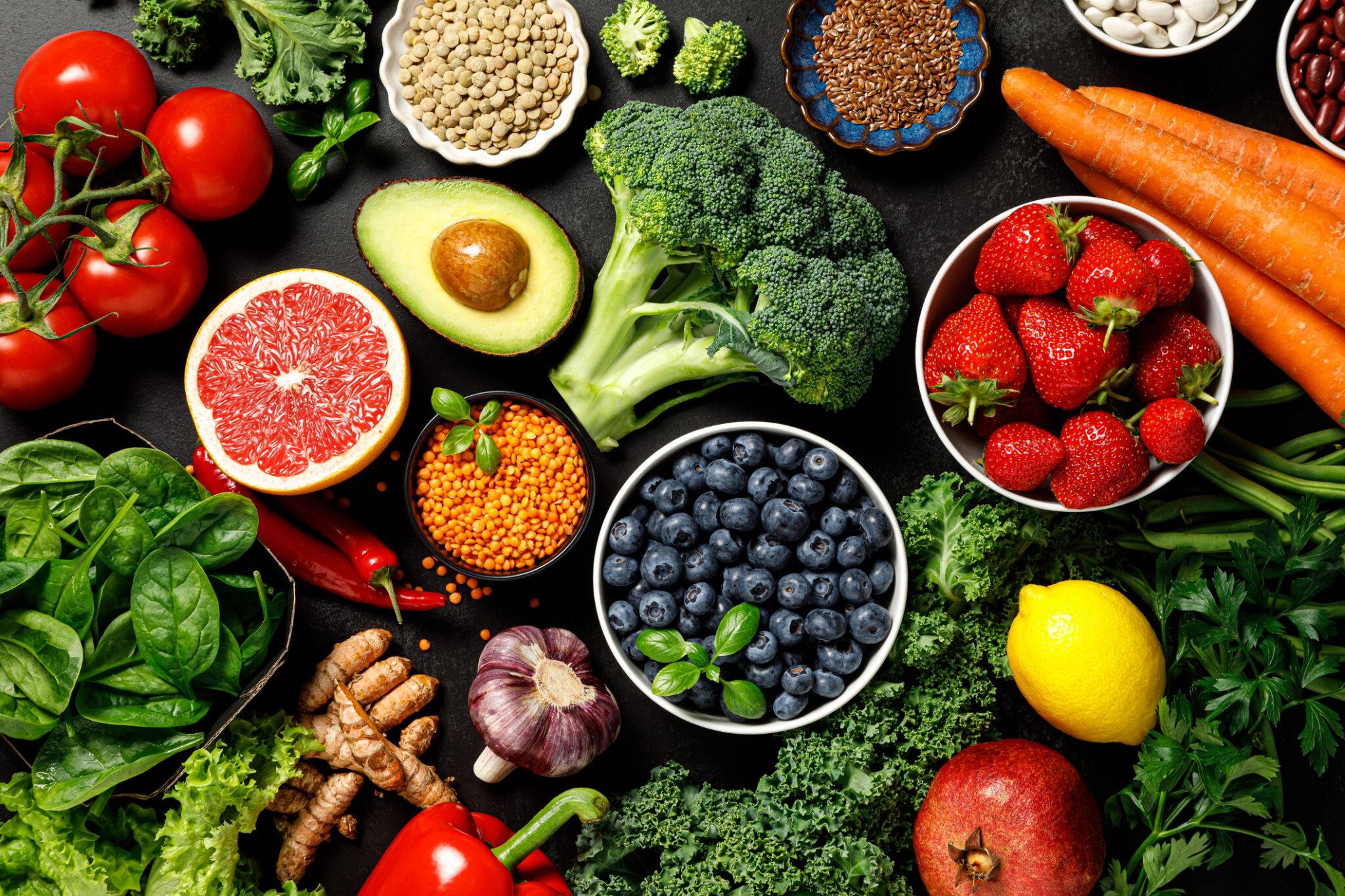
Nutrition should be approached as a tool for cellular health rather than simple calorie intake. Dr. Efrati emphasizes eating for nourishment—fueling the body to repair, adapt, and function efficiently.
Whole, minimally processed foods—particularly those found in the Mediterranean diet—support brain health, reduce inflammation, and improve cardiovascular function. Key foods include leafy greens, berries, legumes, nuts, olive oil, and fatty fish such as salmon.
These foods provide essential nutrients like antioxidants, omega-3 fatty acids, polyphenols, and vitamins that support mitochondrial function and slow the aging process at a cellular level.
Make Sleep a Non-Negotiable Priority

Quality sleep is the foundation of long-term health. Dr. Maroon describes sleep as essential for brain function, immune strength, emotional regulation, and metabolic health.
Consistent, restorative sleep improves focus, mood, and stress tolerance while making it easier to maintain healthy habits like exercise and mindful eating. Adults should aim for seven to nine hours of sleep each night to support heart health, cognitive performance, and immune defense.
Good sleep isn’t a luxury—it’s a biological necessity for healthy aging.
Final Thoughts
True health in 2026 isn’t about drastic resolutions or temporary fixes. It’s about building sustainable habits rooted in purpose, balance, nourishment, connection, and rest. By focusing on these six pillars, individuals can improve not only their lifespan but also their quality of life—mentally, physically, and emotionally.